
RewireOT Pain Managemenet Treatment


RewireOT: Treating the person, not just the pain
Specialized occupational therapy addressing neuro-sensory pathways to restore daily function, increase energy, reduce pain impact and support anticipatory tension caused by chronic pain. Pain can go away with the right approach. Contact RewireOT to learn more.
Pain Management at RewireOT
Pain management at RewireOT is centered on restoring meaningful participation in daily life through evidence backed, non‑pharmacological strategies. Treatment integrates occupational engagement, targeted strengthening, routine building, and clear education to help you understand your symptoms, improve movement confidence, and build sustainable self‑management skills. Regardless the type and duration of pain, its impact on day-to-day functioning calls for personalized and targeted support.
But can Occupational Therapy at RewireOT actually help with Pain?
In short, YES. Occupational Therapy at Rewireot is an essential member of your pain treatment team. Below are areas addressed at RewireOT for managing pain:
General pain education
Non-medication pain management
Graded exposure
proactive autonomic system regulation
cognitive-behavioral strategies
Routine building - creating predictable patterns for pain rewiring
Sleep hygiene
Self-care
Proactive supports
Proactive pacing
Symptom flare planning
Occupational task re-engagement
Purposeful, real-life activity engagement and retraining
Sensory desensitization - normalizing touch sensations
Gradual and purposeful movement re-engagement
Movement retraining (as needed)
Targeted strengthening and postural analysis
Psychological support


Whole Person Focused Pain Rehabilitation
Chronic pain treatment often requires a well balance approach to make lasting and meaningful progress. This treatment may include physical intervention (Occupational Therapy or Physical Therapy), medications, psychological support and lifestyle change that can include routine, exercise, activity pacing and more. Treatment should support the whole person, just just focus on symptoms.
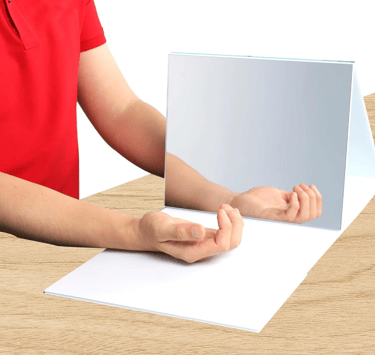
Occupational Therapy engagement
Treatment with Occupational Therapy or Physical Therapy helps those with pain re-engage in purposeful movement, build personalized routines, and integrate non-pharmacological pain management strategies to support strengthening, confidence building and gradual re-engagement in meaningful tasks.
Medication
Targeted medications to treat pain at the chemical level to improve how the nervous system processes pain signals. There are a wide range of medication options, so consulting your pain management specialist to optimize this treatment can be key to recovery.
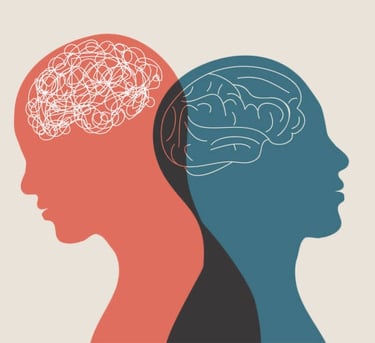
Pain is not in your head, but chronic pain and changes in your ability to engage in daily tasks often take a mental tole. Having support for mental strain, anxiety or symptom anticipation often proves beneficial. Recovery from discomfort of the body requires stability and support of the mind.
Psychological support


Why Do We Have Pain?
Often pain occurs in order to protect us and inform us when movement is not safe after injury. It is an automatic response that our pain receptors in our nervous system use to keep us from further injury or danger. Our body experience sensory input that is processed through the nervous system to the brain (Bottom-up information). Once processed, our brain sends a response to our body to pull away from the stimuli (Top-down response). This signal also elicits responses that bring edema or swelling to an injured body part to protect and start the healing process. Sometimes this pain loop continues without being shut off and pain persists and can even amplify. (See pain cycle above)


What pain isn't telling us
All pain is real, but pain does not always mean that you have a physical injury or structural damage. Often pain can occur due to our internal systems not functioning properly, psychological distress, decreased activity engagement, or even become elevated when we are more fatigued. Pain can also be as a result of other conditions such as FND, POTS, hypermobility and more making debilitating symptoms even more difficult to manage. At RewireOT, I look for and treat the root cause of pain incorporating both physical and psychological support to promote overall functional independence and pain management.
Recovery is possible with the right approach, support and tools.
You've got this !
Subscribe for Functional Neurological Disorder (FND) and Chronic Pain Resources
Enjoy exclusive updates on resources, courses and more to subscribers.

15800 Manchester Rd., Cornerstone Building, Studio B, Ellisville, MO 63011 (636) 254-7760
FND Treatment Missouri/Illinois
Occupational Therapy Pain Management